

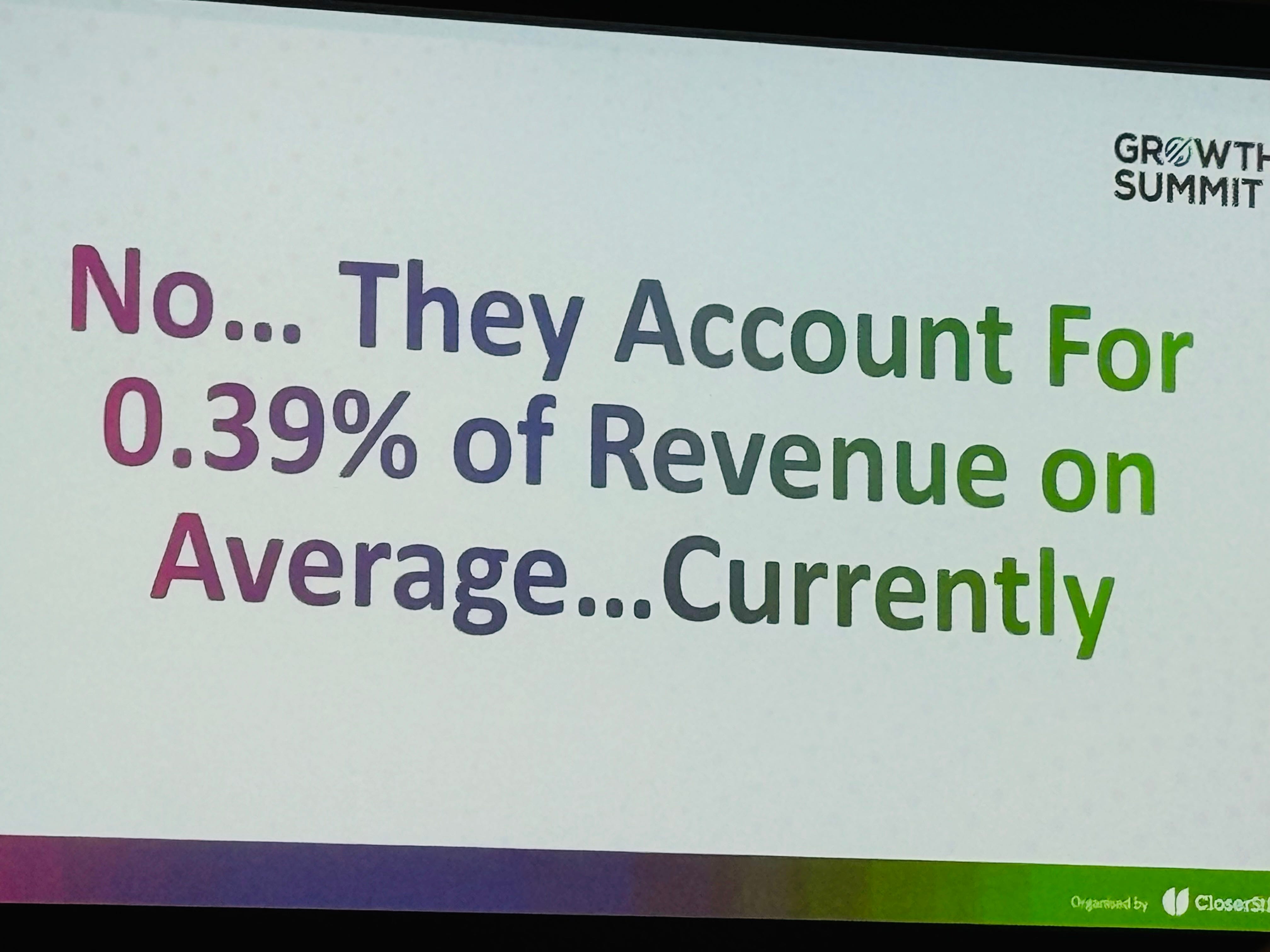
0.39% the Agentic contribution to ecommerce GMV - September 2026. Shared by the brilliant Andy Mulcahy - insights director for IMRG . This was at the Growth Summit a kissing cousin to the ecomm expo. My over riding feeling over the last 2 weeks. UK ecommerce seems ready to widen its horizons again, while still being told that doing the basics is a growth strategy. It is like the old leg up programme that Bart Simpson was placed into - we catch up with everybody else by going slower?
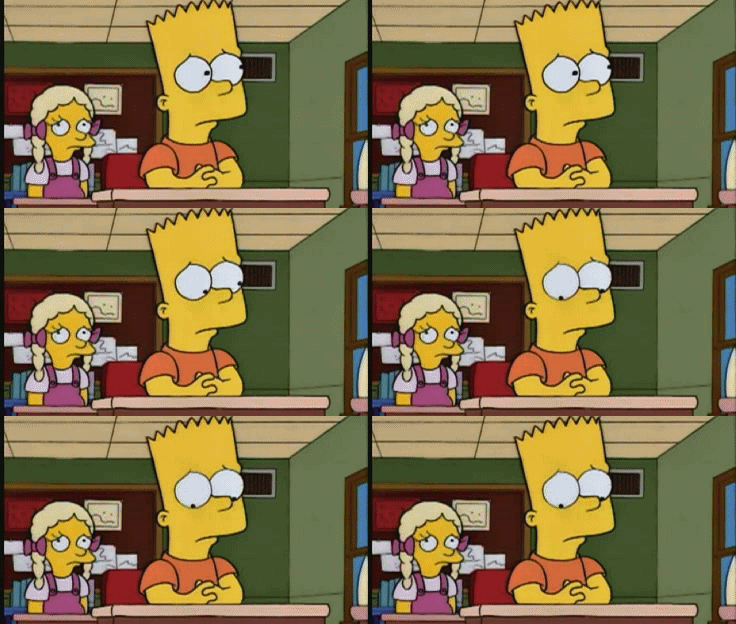
Trust kept coming up. That makes sense. As more of the shopping journey passes through agents, platforms and systems a customer may never see, trust has to travel with them. I was reminded yesterday (not for the first time this week) that we have a collexctive responsibility to shaping the sort of future commerce we want. Bad agentic experiences will not outperform bad human led ones.
What I find harder to swallow is how often “get the basics right” is still offered as the route to growth. Of course the basics matter. But after twenty years of ecommerce, shouldn’t they be compounding beneath the business by now? If they’re still the strategy, what have we been building? Sharon Gai painted the art of the possible, from the front line.
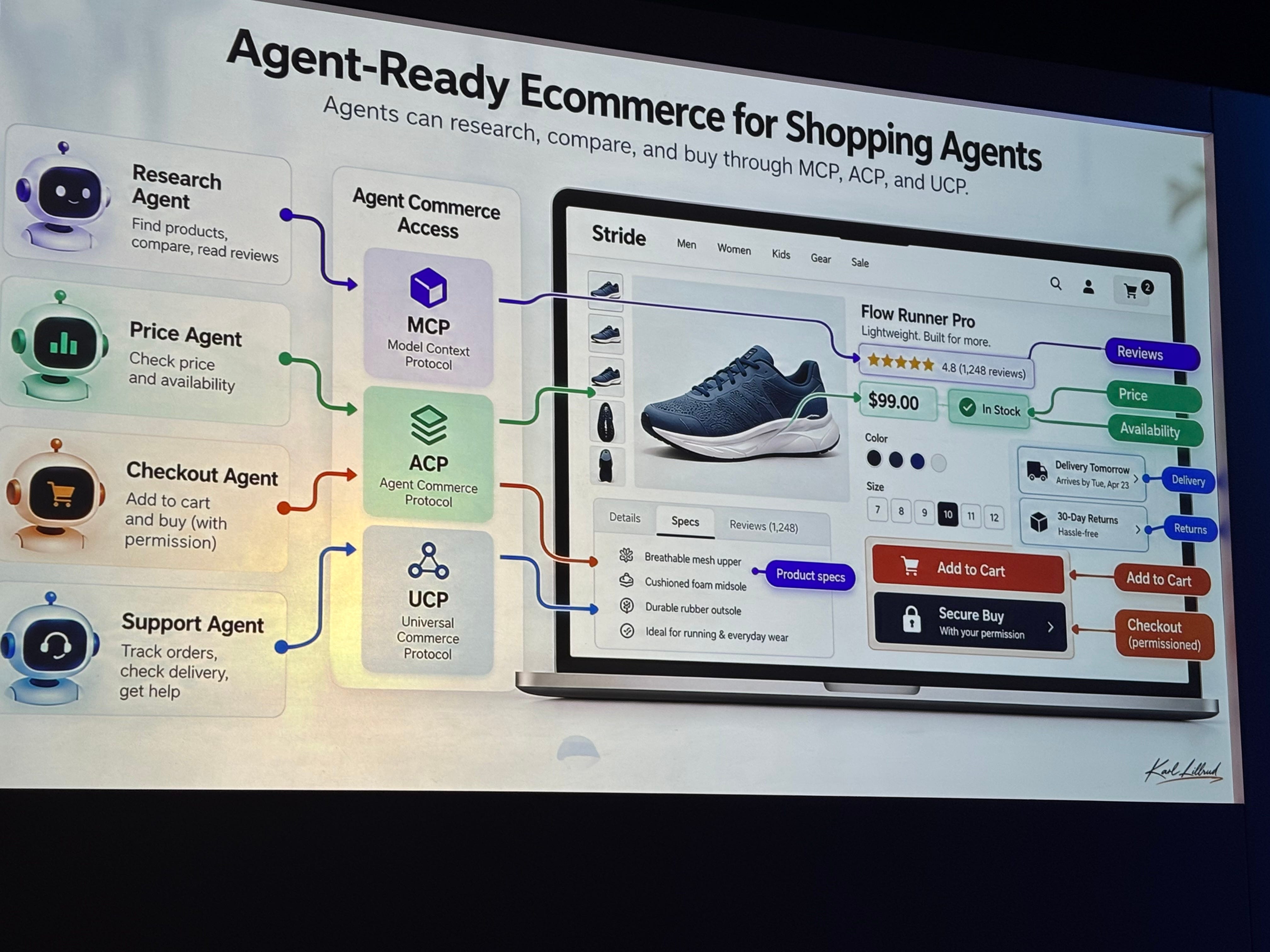
The AI conversations were more interesting when they got past the usual promises. Global Orator Karl Lillrud was razor sharp in demonstrating vision - we cannot see past our own noses today because AI or agents do not have the same frame of reference as we do - yet, here we are.
Retailers are questioning what they need to keep paying SaaS platforms to do. Cheaper alternatives and building some capabilities themselves are getting a more serious hearing. Matt Truman’s Project Lemonade takes that thought to its extreme: an agent-run retail operation sitting above a robotic warehouse. I’m fascinated to see what it produces. Ask me via DM to hear more.
Anxiety and fear and hope mean we want the human at the centre. We need it. If you are a major utility company or telco an automated system for collections , dept recovery etc makes sense. Though Paul Sweeney ney would say this is around quite some time and is damn successful too. We keep saying the human element will matter more. Will it? Or do we say that because it’s comforting while the ground moves under us?
On the show floor, the practical conversations were about international growth and selling across channels. Brands are exploring, testing and keeping their options open. There were plenty of agencies, plenty of merch competing for attention, and Shopify was hard to miss.
I left thinking the industry has two jobs at once: make the existing business work properly, and get much more ambitious about what comes next. Calling the first one a strategy forever is selling ourselves short.
And then there are some emerging themes that signal the winds of change:
Self Regulation over full regulation - we will have to take the bad with the good.
Culture of experimentation - I listened to a panel with SpaceNK, B&Q and G Star Raw - the culture was not just about trying things, listening to them it was also about not knowing the answer or knowing what the output might be. The culture allowed these ideas to fully synthesise before deciding what to do with it. It is not something i thought about much before. A great session chaired by MARIA CARLTON in discussion with Lee Pettman-Felss , Tim Parker and Suze College.
Governance and Policies - said it before and I say it again. Get your policies down on paper, get them updated. Use risk as a strategic lever and not a reason to not do something. Your policy should document your risk tolerance levels and be clear about where they can flex.
Collaboration and partnerships is where the mid market should play. Not be afraid to do good things together. Find playgrounds for brand activations - customers are overlapping all of the time and in places and ways we might never expect them to. Daniel-Sean Huisman man of Morrisons shared, in our interview how their demographic for Morrisons Now skewed older and opened new motivations and behaviours they had not previously seen.
We need to all be builders. We cannot hold strong points of view unless we are builders. Vibe coding is no longer the dirty phrase it used to be. It is prime learning ground and it can provide a rich place to get curious again. That’s something I found for myself. It has made me better at my job. It requires you to think beyond the step you are looking to take and keep iterating - nothing is complete and everything is becoming as Kevin Kelly might say.
Shift, as a word was used more than trend. Words matter. A shift is a clear sign of change, trends are just what they are. In becoming more agile, channel agnostic and being available where customers are allows you to perhaps be benefit from trends, surf the wave for a bit.
Our lens for AI and its applications is limited to the work we are involved in. Were we something of a test bed for other, more industrial scale changes? I think so. With consumption still at the heart of economic activity, it is in governments interest to keep spending mentality high - agents look good in this space. But consider Christmas and you want to get the best gifts or buy yourself something nice. If you had the scenario where you gave ChatGPT your desires, your budget and allowed it to act when you threshold was hit, you would be happy, no? You wake and get those new boots you were waiting on in your size and a particular price point and it happened while you would otherwise be sleeping. Or the lego set on sale and it is a week before payday - ChatGPT acted because it could and you were not aware of the price change. I am just building some cases here - this is how we will be drip fed.
The events are so well put together now - every nut allergy catered too, every expensive drink and food you can imagine. And the sheer volume of them. As an industry it is quite hard to believe how we keep this moving. Just this week we had Retail Club, NRF Europe, Ecomm Expo, Growth Summit, Vision Summit, Amazon Day, DMEXCO and many many more. Retail and brand leaders are getting more and more overwhelmed. Michelin star dinners, as much as they are a privilege, are something of a chore at times too. But, we need ways to connect and talk. How do you sell without selling? Shopify do a good job of giving out the sexy in-differenece vibe. Call us cos we won’t call you? Don’t sell Shop Pay, don’t bother selling. Payments is where it’s at though, right. Amidst all of this, there are many making these micro communities work. For them it must be part therapy sessions as much as it is building relationships. Not everyone can stick to their values, but a real nod to Jason Nyhus in Shopware - he is making hard yards and making them count. I have nothing but admiration. For the group at IMRG they managed the tables brilliantly, mixed the content well and host with ease. More of this please.
From my travels, the personal anxiety was real - it is hard to avoid. The faces and stories are still the same. The platforms we all love to hate still dominate what we do and why we do it. Commerce is HARD, very hard but we are continuing on a path of compounded activities that we have been doing for 20 years getting the same results but expecting something different, we are surely on a path to more of the same?
And so what is the solution - compounded gains - savings, productivity, channels and customers. Creating new cultural elements where not having the answer is the starting point and not knowing where to start is ok. There are floods of younger people entering the markett without the incumbency of legacy. It is in this type of group where we will see the first billion dollar brand emerge run by 1 person. We will be skeptical, we will ask questions but, it will happen and I won’t be surprised. They will probably have a channel focus and smart sourcing strategy from social listening or something and have an efficient path to the doorstep. They will love their channel and the community in it. The brand will shut down and they move onto the next thing. Brands will come and they will go - that is the true brand economics today. Attention economy, pah.
For me, it is about frameworks. All about frameworks. A recurring word from all the biggest brains I listened to. Frameworks are the key. My AI policy framework, my diagnostic framework - my day in the life framework. It provides guardrails and opportunities, quick implementation from a strong knowledge base, grounding and values and much. A framework is a connectivity tool and a skill that can be refined, open to change and expanded. When I think about my role beyond 2027 it is framework by design and culturally led. Curiosity can now be matched by much greater access and as I mentioned before a little bit more time to think. Sometimes doing nothing is the best action of all.
Footnote:
2027 will see me growing 2 know totems for myself - CampTralee - the 2027 bootcamp. IYKYK.
Have I got news for you - helping make the news and the ecomm news becoming whelming again, not overwhelming.